




Friedrich Merz, leader of the German Christian Democratic Union (CDU) party, has been facing increasing opposition from within his own party over his performance in coalition talks with the Social Democratic Party (SPD).
On April 6, Johannes Winkel, chairman of the CDU’s youth wing Junge Union, warned that he and his fellow youngsters might vote against the coalition agreement currently being negotiated.
“The change in politics for which the whole party and especially the youth wing have fought so hard must come now”, Winkel told German newspaper SZ on April 6.
He was especially critical of Merz’ decision to abolish Germany’s federal debt ceiling in a joint vote with SPD and the Greens party.
If the CDU failed to bring about a change of policy on other important issues in the coalition’s negotiations, there would be a problem, Winkel continued.
CDU MP Saskia Ludwig struck a similar chord in an interview with newspaper Tagesspiegel on the same day saying: “Before the election we have made clear that we want to make liberal-conservative politics again. As I see it this promise is not being kept right now.”
There were many similar remarks from other CDU members. According to newspaper Welt in an internal video conference on the coalition negotiations, members of the party’s base voiced biting criticism of the leadership, with one participant saying: “We are getting pure SPD politics instead of the promised CDU politics.”
Since the start of the negotiations, Merz has been under fire for seemingly giving in too much to the SDP – who only got 16 per cent of the vote compared to the CDU’s 29 per cent.
Since Merz has repeatedly excluded any cooperation with the right-wing AfD party, which received 21 per cent, the SPD is seen as his only possible partner for a coalition government.
While no final coalition agreement has been presented, leaks of supposed compromises did not bode well for the CDU.
Reportedly, Merz has given up already on a big portion of bold plans to curb illegal migration he promised before the election in February.
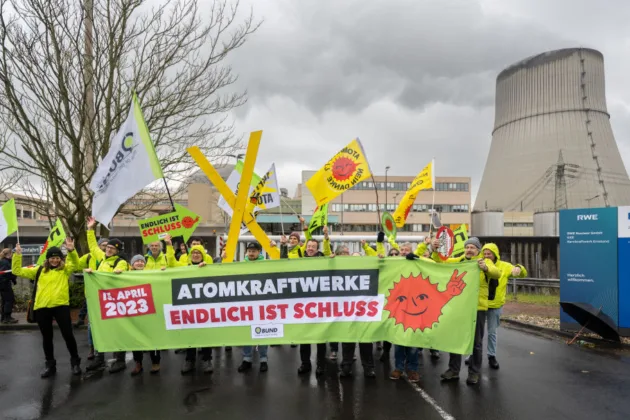
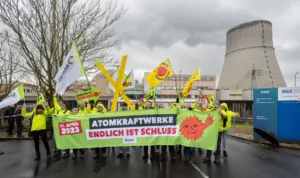
There was also no agreement on restarting Germany’s nuclear power plants, despite mounting pressure within the CDU to at least reactivate some nuclear stations.
Ben Brechtken, a libertarian columnist, wrote on X on March 20 that Merz was “being led through the ring by the nose by the Left”.
The CDU was also seeming to lose favour with their voters. In the latest polls, it only reached 24 per cent – equal with the AfD which for the first time had drawn even with the party.