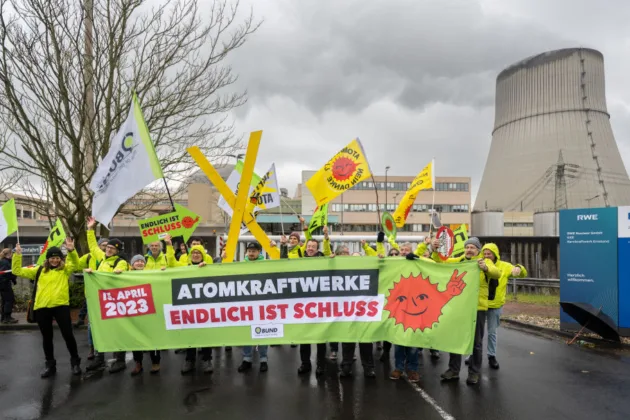




Belgian Prime Minister Bart De Wever has launched a sharp attack in parliament on past energy policy, warning that decisions to phase out nuclear power could saddle the country with costs “for an entire century”.
Speaking during a parliamentary exchange on energy policy yesterday, De Wever said earlier governments had left Belgium in a weak negotiating position as it attempts to reverse course and rebuild its nuclear capacity.
The PM criticised the legacy he said his government inherited when taking office.
“Every closet you open in government buildings, a skeleton falls out — and not always something pleasant,” he told MPs.
In the case of nuclear policy, he said the government had been confronted with “hundreds of pages” from the so-called Phoenix deal negotiated by his predecessor, which he said constrained current negotiations and forced the government to proceed step by step.
“If the history of that nuclear exit and the Phoenix deal is ever written,” he said, “I think it will lead to a devastating judgement for those responsible. I think there are few government leaders who have saddled a country with bills for a whole century.”
His remarks came as the government pushes ahead with plans to return nuclear power to the centre of Belgium’s energy mix after abandoning the long-standing phase-out policy.
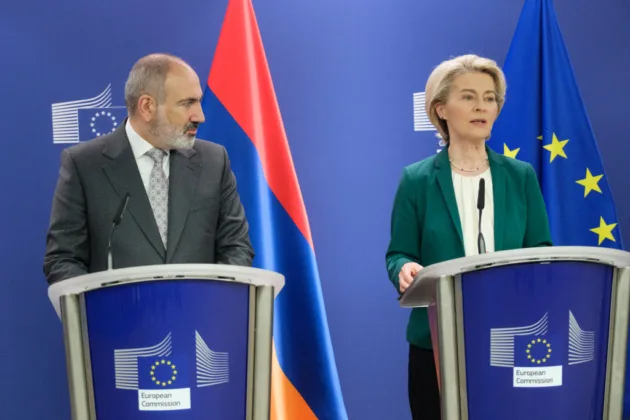
De Wever said the shift reflected a wider change across Europe, citing remarks by European Commission President Ursula von der Leyen acknowledging that the continent had made “very big mistakes” by reducing nuclear capacity in recent decades.
“Across Europe there is finally once again strong support for a nuclear component within the energy mix,” De Wever said, adding that only a few years ago a pro-nuclear stance left politicians “virtually isolated” in Belgium.
He argued that geopolitical shocks, particularly the Russian invasion of Ukraine, had exposed the risks of relying on imported fossil fuels and undermined earlier plans that depended heavily on gas-fired power plants.
De Wever called this a green “naive dream”.
“The illusion that we could manage with a mix of renewables and occasional gas plants is a fairy tale for children,” he said.
He reminded the parliament that other politicians in Belgium had claimed that nuclear was “a corpse that couldn’t be reanimated anymore”.
Belgium’s new strategy centres on maintaining existing reactors for as long as possible while exploring the development of new nuclear capacity, including small modular reactors (SMRs).
The government is currently negotiating with French-owned operator Engie about further extensions to Belgium’s nuclear fleet, although De Wever acknowledged the talks were difficult because of commitments made under earlier agreements.
He said he had also discussed the issue with French President Emmanuel Macron on the margins of a nuclear summit in Paris, noting that France remains Europe’s leading nuclear power and a potential partner in future projects.
De Wever added that Belgium was also exploring co-operation with neighbouring countries such as the Netherlands as interest in nuclear energy grows across Europe.
The Prime Minister said the government’s coalition agreement now clearly states that nuclear power has a long-term future in Belgium alongside renewable energy.
“For the first time this century,” he told MPs, “this government says very clearly that nuclear energy has a future here — a future of affordable, reliable and sustainable energy.”