
Going against several European Union countries’ moves to ban social media for teenagers, the Council of Europe criticised a possible blanket ban on social media, urging the regulation of platforms and not children.
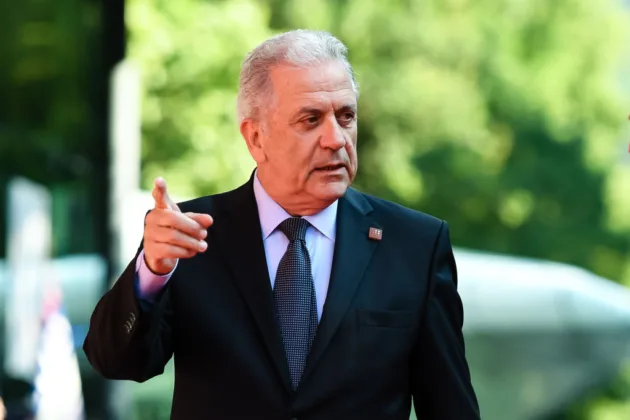
Council of Europe Commissioner for Human Rights Michael O’Flaherty argued that the focus should be on platforms and that EU countries should not deflect the responsibilities of the platforms.
“Banning children’s access to social media, though, shifts the responsibility for safety from the platforms that create the environment to the children who navigate it,” he said yesterday.
“As several European countries consider introducing a minimum age to access social media platforms, I urge caution in imposing sweeping bans.
“The focus on restricting access should not deflect attention from ensuring that platforms respect human rights through clear legal duties, independent oversight, and effective accountability,” he added.
O’Flaherty insists that member states should focus on high fines so that companies do not profit from breaking the rules, making platforms’ misconduct not financially worthwhile.
Several EU countries have been drafting and passing bills that aim to ban social media for children.
In January 2026, French MPs approved a bill aimed at banning social media for minors under the age of 15. The bill also prohibits the use of mobile phones by teenagers on school premises.
More recently, in the UK, the House of Lords approved the Children’s Wellbeing and Schools Bill, which regulates platforms to prevent children under the age of 16 from becoming or being users.
O’Flaherty urged EU governments to “pause and exercise caution”.
“They should consult with experts, civil society, and children, and ensure that proposals are human rights-compliant. The source of harm is rooted in the design and incentives of the platforms,” he concluded.
But what do Spaniards think of potential restrictions on social media use?
Brussels Signal found a mix of opinions. ⬇️ https://t.co/SwHLngecir
— Brussels Signal (@brusselssignal) February 10, 2026