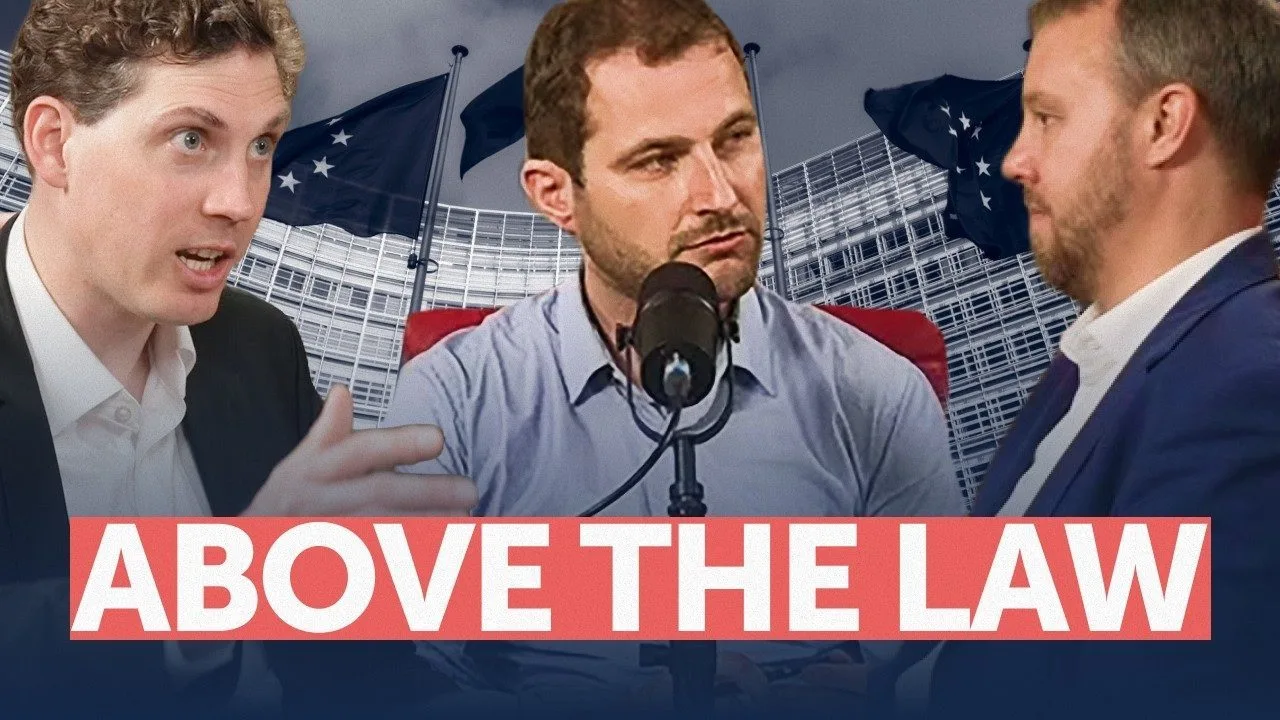

Despite celebrations and lamenting in the European Union over Brussels’ approval of the bloc’s trade agreement with South American trade group Mercosur, the deal European leaders agreed on January 9 is facing opposition – and not just from farmers.
At a press conference, Rubén Ramírez, the chancellor of Paraguay and the current rotating president of Mercosur, reminded his European counterparts that new clauses “are not part of the historic free trade agreement signed in Montevideo” in December last year.
“Therefore, these clauses should not be included,” he said.
Responding to pressure from the farming lobby and Italy, the EU’s 27 member states added last-minute additional protections for the EU farm sector. Those suspend imports of certain Mercosur agricultural products such as beef should the price of the same EU products fall by 5 per cent or import volumes increase by 5 per cent.
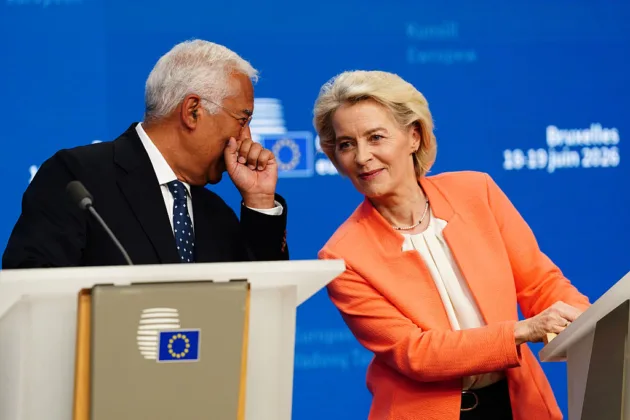
EC President Ursula von der Leyen is scheduled to travel to Uruguay to officially sign the agreement on January 17.
Yet, as Ramirez stated, the EU’s additional caveats are not part of the trade deal the two blocs had settled on last year. It remains to be seen whether Mercosur will accept.
Ramirez warned that if von der Leyen shows up in Uruguay with these clauses added to the agreement it will have to be renegotiated.
The difference to the trade deal as reached between the EU and Mercosur last year may seem small; the same protections existed but with an allowance of 8 per cent instead of 5 per cent.
Nevertheless, these seemingly small margins mobilised farmers to protests in Brussels and around the EU.
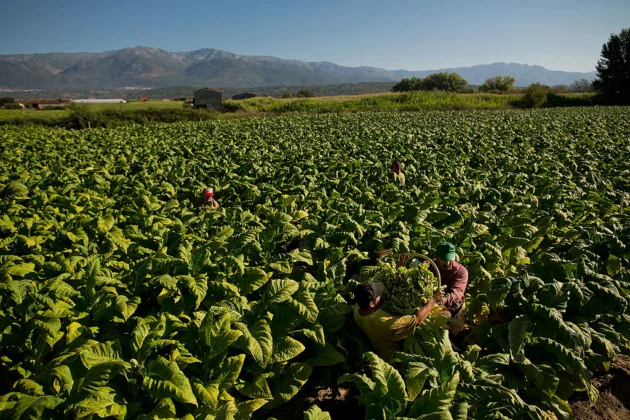
Farmers have promised to continue to demonstrate, claiming they will be undermined by unfair competition from Mercosur countries with fewer regulations around agriculture than EU countries.
In the past decade, the EU has banned the use of many pesticides, hormones and antibiotics still commonly used in the Mercosur bloc of Paraguay, Uruguay, Argentina, and Brazil.
Under the new trade agreement, imports from Mercosur will have to meet many European standards. Meat cannot contain antibiotics or hormones banned in the EU, and Brussels has the right to set the residual levels of pesticides allowed in imports.
Many groups, from farmers to environmentalists, consumer protection groups and the European Parliament consider the current EU standards and enforcement for imports too weak.
In an attempt to appease farmers, France passed its own additional ban on imports containing residue of a handful of pesticides prohibited for use in the EU, making its own restrictions tighter than the EU standard.
Pesticides and antibiotics are only a part of overall production costs. Farmers in the Mercosur bloc also have lower costs that cannot be regulated in a trade agreement – such as lower land, labour and animal feed costs. Separately, the lower value of their currencies is said to give them an advantage.
The EU feeds its intensive animal production on soy and corn coming from Mercosur countries and Ukraine. The bloc also remains a manufacturer and exporter of pesticides prohibited for use in the bloc.