

German Chancellor Friedrich Merz issued a stark warning about his country’s economy in a New Year’s letter to his governing coalition, describing its situation as “very critical” in certain sectors.
In a four-page letter to Christian Democrat and Socialist legislators, seen by news agency dpa, Merz acknowledges previous initiatives have “failed to sufficiently improve Germany’s competitiveness” and emphasises the need for “decisive political and legislative action” to improve conditions for businesses.
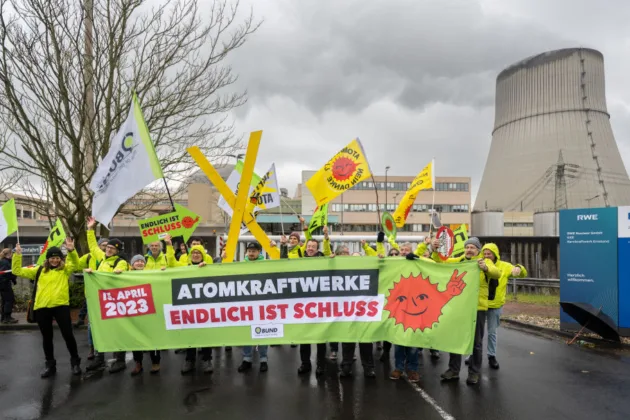
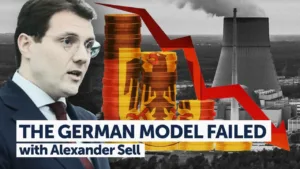
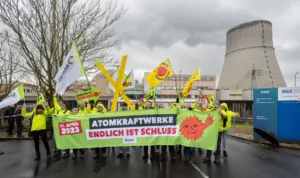
Germany’s economy has been under significant strain since 2023, exacerbated by the lingering effects of the energy crisis triggered by its “green” energy transition, Russia’s invasion of Ukraine, high inflation, supply chain disruptions, and weakening global demand.
The Chancellor warned the economic situation remains “very critical in some areas,” highlighting that manufacturing and energy have been particularly hard-hit.
“Large industrial sectors as well as significant parts of the medium-sized sector and the skilled trades are facing enormous challenges, and jobs are being lost in many companies,” he wrote.
“The labour costs, the energy costs, the bureaucratic burdens and also the tax burdens are too high. We will have to work on this together,” said Merz.
“We know that productivity in Germany is simply no longer good enough under the changed economic conditions in the world,” he added.
Merz promised “to concentrate on making the right political and legal decisions in order to radically improve the conditions of the location”.
Regarding Germany’s commitment to supporting Ukraine amid its ongoing conflict with Russia. Merz said the decision about frozen Russian assets within the European Union provided a “financial basis” for long-term aid to Kyiv’s defence efforts.
“Russia must have no doubt about our determination,” Merz wrote.
“We are doing our diplomatic work under difficult conditions. Russia is showing little willingness to negotiate, President Zelensky is struggling to unite Ukrainians, and transatlantic cooperation has changed profoundly,” he said.
He called on MPs to strengthen trust in politics, to “convince the vast majority of our population of the value of our democracy and our market economy”.
The letter came at a time Germany is still struggling after two years of recession (2023 and 2024) and virtually stagnant growth in 2025.
Forecasts for 2026 predict only minimal growth. The Chancellor is under pressure to deliver visible progress as many Germans effectively become poorer with jobs in certain sectors disappearing and inflation.
On top of this, the country also has demographic challenges, after many years of low birth rates and the baby boomer generation now entering the pension age.
Germany’s Economic Affairs Minister Katherina Reiche says her country’s next generation will be poorer than the present one unless Germans start to work more hours. https://t.co/I8yaRO4XB3
— Brussels Signal (@brusselssignal) December 23, 2025