

The European Union has taken a step towards pulling Uzbekistan away from China’s growing sphere of influence — using trade, investment and raw materials cooperation as its main tools.
On October 24, the EU signed a wide-ranging deal with Uzbekistan covering critical raw materials and market access — part of a broader push to anchor the country, a strategically located Central Asian state, closer to the EU’s economic and regulatory orbit.
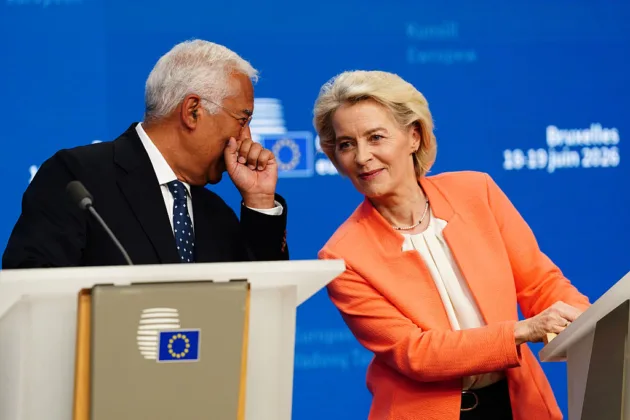
European Commission President Ursula von der Leyen described the deal as a framework “for mutual benefit”, while underscoring the EC’s support for Uzbekistan’s accession to the World Trade Organization — a move that would tie Tashkent more firmly to the EU’s “rules-based” system and, by extension, further from China’s state-led economic model.
Uzbekistan’s WTO accession requires the conclusion of bilateral negotiations on market access for goods and services.
Uzbekistan, located in the heart of Central Asia, has long balanced relations among the world’s major powers. Russia remains a key partner — historically its main investor and security ally — while China’s footprint has expanded rapidly through infrastructure and mining investments. Now, Brussels is moving to tilt that balance westward, positioning the EU as a strategic counterweight to Beijing’s growing presence.
Tashkent has adopted a“multi-vector” foreign policy aimed at avoiding over-reliance on any single power, though China already has deep roots in Uzbekistan’s mining sector, from an iron-ore complex near Tashkent to a non-ferrous metals plant, and a copper and silver project. A $2.7 billion Chinese proposal for further mining development is still on the table.
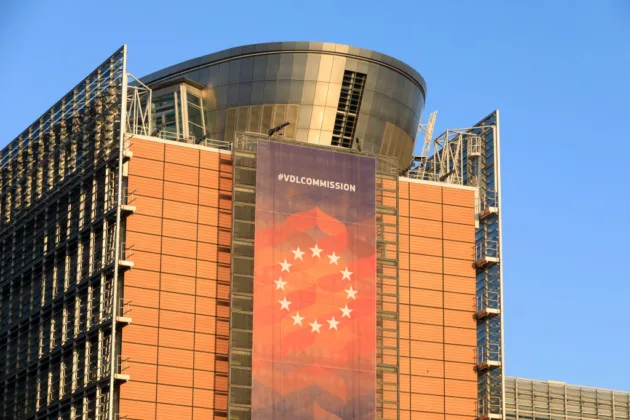
EU policymakers increasingly frame China’s dominance in global minerals as a strategic risk. The Brussels bureaucracy says it is responding ti “the global problems caused by China, by their export restrictions.”
China’s export limits on rare earths and other critical materials have underlined how dependent the world — and Europe in particular — remains on Beijing’s supply chains. The International Energy Agency estimates China refines around 70 per cent of the world’s strategic minerals and produces over 90 per cent of rare-earth magnets used in electric vehicles, wind turbines and defence systems — leaving global markets “vulnerable to shocks or trade restrictions.”
Varg Folkman, an analyst at the European Policy Centre in Brussels, told Brussels Signal: “Businesses will continue to buy Chinese raw materials if these are available and cheaper than EU ones.”.