




Several large German corporations have joined forces to boost investment in Germany’s ailing economy.
As reported by German newspaper Handelsblatt on July 6, the group has promised to invest about €300 billion in Germany over the coming three years.
The alliance – spearheaded by financial services company Deutsche Bank and industrial group Siemens – reportedly comprised more than 30 companies. That included vehicle manufacturers Mercedes, Volkswagen and BMW, energy company RWE, IT group SAP and defence contractor Rheinmetall.
On July 21, the leaders of the industry alliance – dubbed “Made for Germany” – were set to meet Chancellor Friedrich Merz to discuss their plans for investments and their expectations regarding economic reforms.
During that, the group was also expected disclose more information about its planned activities and investments.
“Currently everything is in flux,” an unnamed source told Handelsblatt. The goal was to show that Germany was not as bad a place to do business as it had recently been portrayed.
The promise of large-scale investment was reportedly also meant as a show of faith in the new government. Germany’s companies were said to be expecting far-reaching economic reforms from Merz and his cabinet.
It was unclear, though, how much of the group’s announced multi-billion euro investments were new projects.
On July 8, business weekly Wirtschaftswoche reported that, according to an insider, a large part of the investment volume would not come from new projects. They would instead relate to already planned investments in research, development, production, and personnel.
The concerted initiative should primarily have a psychological effect, one company representative said.
Germany’s economy could do with an investment boost. A study by the association of research-based pharmaceutical companies in Germany (vfa), published on May 28, showed foreign direct investment in the country had collapsed from €150 billion in 2021 to €43 billion in 2024.
The Merz administration was planning to take on a record €143 billion in new debt in 2025 to finance a large-scale public investments programme of €115 billion.
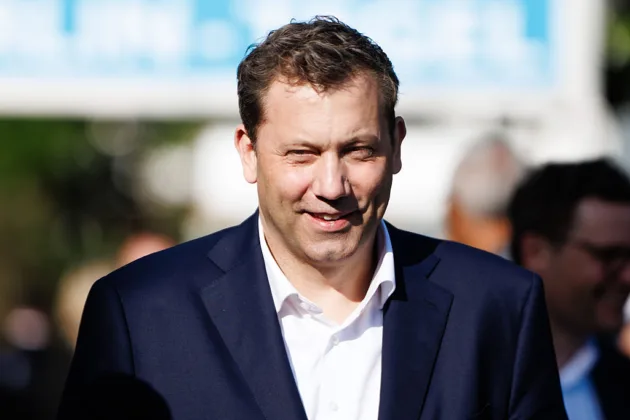
On July 8, finance minister Lars Klingbeil promised German citizens would soon see the benefits of these public investments.
“The pothole that has been annoying for years will suddenly be fixed, the school toilet, which has not been usable for years, will be repaired, a charging station for electric mobility will be made possible in the village, the swimming pool will get new showers, rails will be renovated, bridges stabilised and fibre optic cable laid,” he said in a speech in the German parliament.