

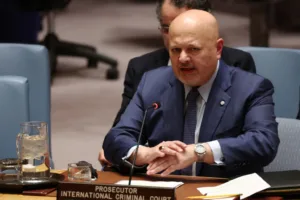


The Hungarian parliament has voted in favour of withdrawing from the International Criminal Court (ICC), finishing a process initiated earlier in April by the government.
“With this decision, we refuse to remain part of a politicised institution that has lost its impartiality and credibility,” Péter Szijjártó, Hungary’s Minister of Foreign Affairs and Trade, said on X on April 29.
The parliamentary vote earlier the same day followed a government resolution issued on April 3, which authorised Hungary’s withdrawal from both the Statute of the ICC and the Agreement on the Privileges and Immunities of the Court.
According to the Hungarian Prime Minister Viktor Orbán, the ICC was “a respectable initiative” but in recent times it had become a “political body”.
The announcement of Hungary’s intention to exit the ICC had quickly drawn criticism from European lawmakers.
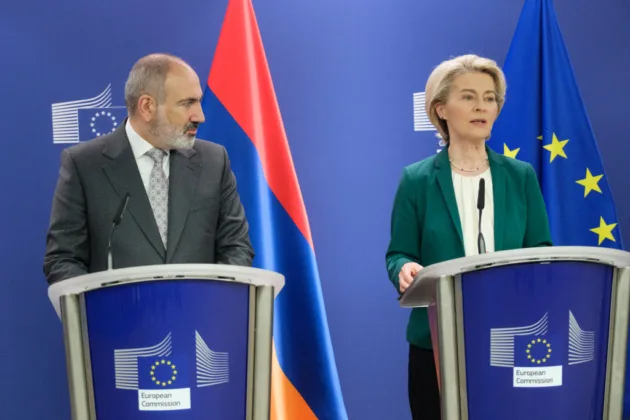
On April 4, the Renew Europe Group in the European Parliament condemned the move and urged the European Commission to take action against Hungary.
“The Renew Europe Group demands immediate action from the European Commission, including under Articles 2 and 7 of the Treaty on European Union,” the group wrote in a statement.
It warned that the decision “further isolates Hungary from the European legal order and undermines the EU’s commitment to human rights and accountability.”
Valérie Hayer, President of the Renew Europe Group, was especially critical: “Orbán’s decision to withdraw Hungary from the ICC is a disgrace and an attack on the rule of law,” she said.
“This action not only undermines international justice but also violates the EU’s legal framework, to which Hungary is bound,” she added.
Hungary had long maintained a sceptical stance on the ICC.
Following it issuing an arrest warrant for Israeli Prime Minister Benjamin Netanyahu, Hungary declined to take action when the Israeli PM visited Budapest on April 3, arguing that it was under no legal obligation to do so.
Orbán clarified that Hungary had never formally incorporated the ICC treaty into its domestic legal system.
“Even if we had wanted to comply, we couldn’t have instructed the police to act. Hungary never promulgated this international treaty into national law.” Orbán said at the time.