








European Union election observers have firmly rejected outgoing President Gustavo Petro’s allegations of widespread fraud in Colombia’s recent presidential election, describing the vote count as transparent and orderly.
In a preliminary report following the June 21 runoff, the EU Electoral Observation Mission stated it had found no evidence of irregularities.
Mission chief Esteban González Pons noted that the process followed Colombian electoral law and emphasised that the counting was carried out in a “transparent, orderly and fluid” manner.
The mission, which deployed around 150 observers, had also monitored the first round in May and reached similar conclusions.
Petro, whose preferred successor Iván Cepeda lost narrowly to right-wing outsider Abelardo de la Espriella, repeatedly claimed the results were manipulated.
He alleged digital interference, vote buying, and accused Israel of meddling in the process to favour the opposition.
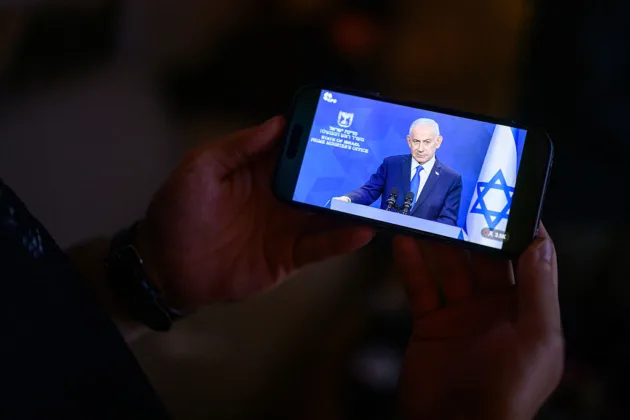
Petro escalated his claims dramatically on social media, directly accusing Israel — and by extension Prime Minister Benjamin Netanyahu — of hacking Colombia’s electoral software.
In a series of posts on X, he alleged that changes in IP addresses on the National Registry’s servers proved the system had been compromised, claiming that “the only entity in the world capable of doing that is the state of Israel”.
He provided no concrete evidence to support the allegation, which came amid his longstanding criticism of Israel and severed diplomatic ties over the Gaza conflict.
“In Romania, simple foreign interference empowered the European Court to annul the elections,” he noted.
The EU mission responded directly to these accusations, expressing surprise that the president was raising issues that the candidates themselves had not formally contested at the time.
Colombia’s Attorney General and other domestic electoral authorities have also dismissed the fraud allegations, noting that over 99 per cent of votes were counted with a high turnout.
De la Espriella’s narrow victory (approximately 49.66 per cent to Cepeda’s 48.70 per cent) marks a significant rightward shift after four years of Petro’s leftist government.
The result has deepened polarisation in Colombia, with Petro’s refusal to immediately accept the outcome fuelling tensions.
Critics argue that Petro’s unsubstantiated claims risk undermining public confidence in democratic institutions at a sensitive moment of political transition.
Supporters of the new president-elect see the EU’s endorsement as confirmation that the process was legitimate and that Petro’s rhetoric reflects frustration at losing influence.
Colombia election shock 🇨🇴⚡️
Abelardo de la Espriella has emerged ahead in Colombia's presidential run-off, winning a record number of votes according to preliminary results.
Yet with legal challenges already underway, electoral authorities have not officially declared a…— Brussels Signal (@brusselssignal) June 22, 2026