






Hungary said it would amend the Constitution soon to emphasise child protection, a move that paved the way for a ban on the annual Pride march by LGBTQ+ communities, which it has targeted ahead of elections next year.
The announcement on February 27 came after Prime Minister Viktor Orbán had criticised LGBTQ+ activists and pledged to crack down on foreign funding of independent media and NGOs in Hungary in recent weeks.
That followed moves by his US ally President Donald Trump to freeze USAID funding.
Orbán, a nationalist who has been facing an unprecedented challenge from an opposition party ahead of elections due in 2026, told supporters on February 22 that Pride organisers “should not even bother” this year as the event would be a “waste of money and time”.
The organisers of the festival, who said it was family-friendly and posed no threat to children, responded that freedom of assembly was a constitutional right.
Orbán’s chief of staff Gergely Gulyás said on February 27 the Constitution would be amended to say that a child’s right to physical, mental and moral development “takes priority over all other rights, except the right to life”.
When asked if that effectively meant a ban on the Pride parade, which is due to take place on June 28, Gulyás said: “The collision between the right to assembly and children’s right to healthy development needs to be clarified.”
He also said that “those with sharp ears” could hear that the constitutional amendment was related to Pride.
“The country does not have to tolerate Pride marching through downtown Budapest,” Gulyás told the briefing.
On february 26, he had said Pride should be held in a “closed venue” this year.
Transportation and Construction Minister János Lázár said a day later that Pride must be banned, saying on Facebook it was “time to push back against the gay lobby”.
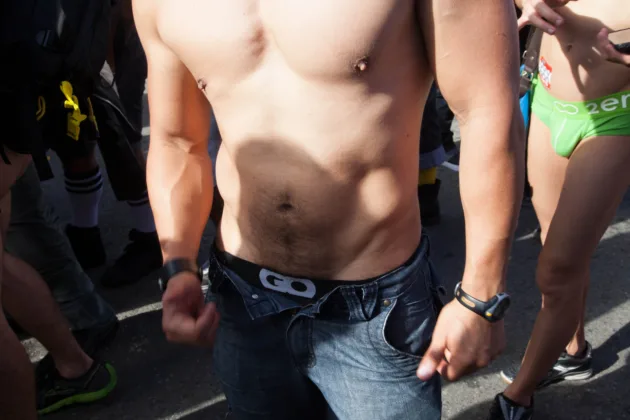
For decades, Pride participants have processed down Andrassy Avenue, a spacious, tree-lined street in Budapest’s city centre in a popular event.
“Events like the Pride March are a sign of whether the authorities want to silence those who think differently,” the organisers said in a statement on February 24.
They did not immediately respond to a request for comment on the government’s constitutional amendment plan, which is expected to pass because Orbán’s party dominates parliament.
Orbán, in power since 2010, has promoted a Christian-conservative agenda and in 2021 banned what the administration called the “promotion of homosexuality” among under-18s, despite strong criticism from rights groups and the European Union.