


By the European Parliament’s soporific standards, it was as glamourous an event as you will ever witness. Camera crews lined the walls of a first-floor committee room that was much too small for those jostling to witness the launch of the Patriots of Europe group: the home, from now on, of many of the hard-right parties who believe they ‘won’ the last EU elections.
The 13 party delegations from 12 countries comprising 84 Euro MPs – more are rumoured to want to join – control almost 12 per cent of the parliament’s votes and constitute the assembly’s third largest grouping. After swallowing the old Identity and Democracy group whole they have become a strong magnetic force, peeling off members from their Left – the European Conservatives and Reformists – and their Right – the as-yet-ill-defined ‘Sovereigntists’.
Founded by Hungarian Prime Minister Viktor Orban and led by newly-elected president Jordan Bardella, the 28-year-old rising star of the French Right, the group has the charismatic quality it needs to ensure its voice will be heard throughout the parliament’s five-year mandate.
There is in fact just one thing the group lacks: power.
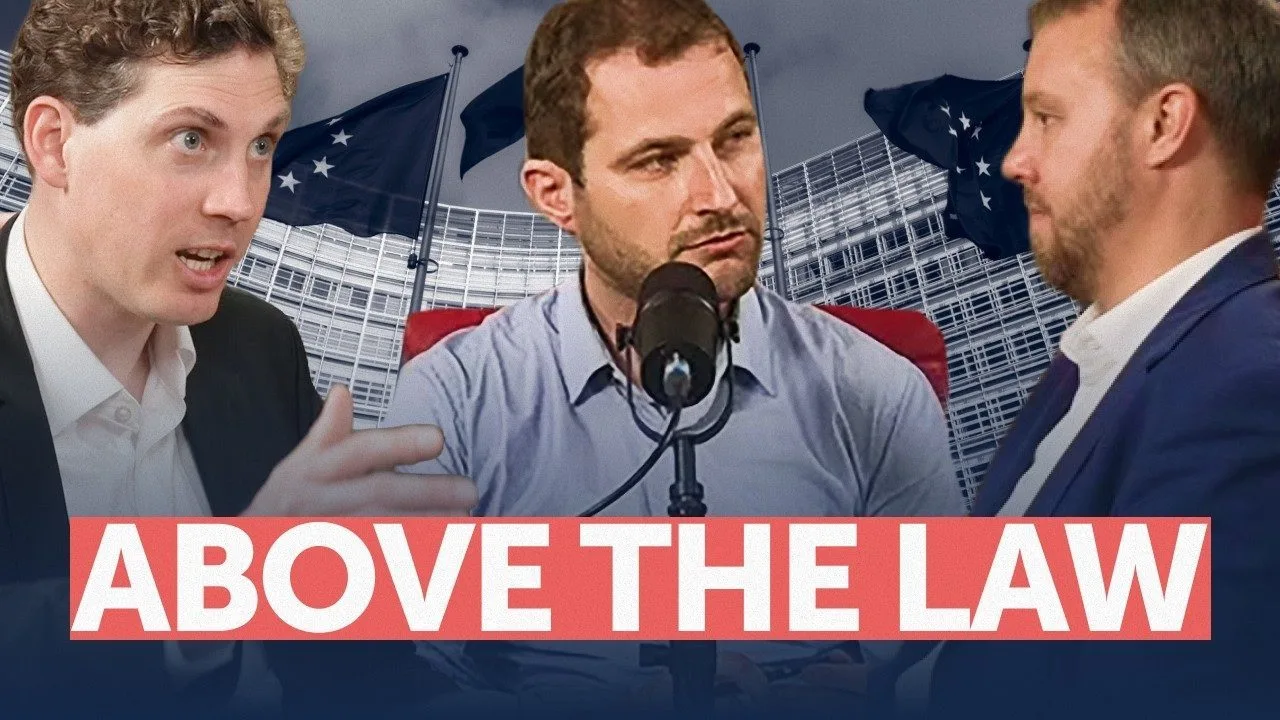
Unlike the British parliamentary system, which keeps the hard-left and hard-right under control by subsuming them into larger mainstream parties, the European Parliament is designed to keep both out of power.
Power in Strasbourg is distributed internally according to the ‘D’Hondt method’, which in typical Belgian style (it’s named after a Belgian mathematician) is both impenetrable and informal in that it is not an official rule at all.
This system should in theory guarantee all groups, including the Patriots, a slice of the cake, which in Strasbourg parlance means committee chairmanships.
There is however a twist: once power is allocated according to D’Hondt, the centrist majority usually gangs up on the hard-right and hard-left to strip them of it. This is achieved via ‘majority’ votes designed to confirm committee chairs, which in reality reject candidates considered undesirable.
Patriots lamented the unfairness at their launch event.
“What are you all going to say about this?” asked Jorge Buxadé Villalba, a member from Spain’s hard-right Vox party. “Does this look right to you?” he asked the journalists in the committee room. Those who voted for Vox and other Patriot parties were effectively being ignored by the Parliament, he argued.
This so-called ‘cordon sanitaire’ might have kept the hard-right from power, but it has done nothing to stop its rise, said Antonio Tanger Correia from Portugal’s Chega. Despite being denied both power and media coverage, Chega has gone from one member in the Lisbon parliament to 50, he said.
The ruling centrists, despite having been slimmed down by the popular vote in June, will use every lever they have to cling to power rather than re-distribute it.
Their reduced majority does however make this task more difficult in 2024. The first, crucial test takes place on July 18, when the second mandate of Ursula von der Leyen will be put to the vote. Her name was somewhat oddly missing from the July 8 launch event. Are all Patriot members united in opposing the German bureaucrat?
Also conspicuous by his absence was Mr Bardella: a sign, perhaps, that without real influence, the new group remains largely a mechanism for handing out patronage, i.e. jobs, among party faithful.
Europe’s Right is divided on certain subjects, not least the Ukraine war, though has been united until now in its desire to reform Europe “from within.”
The odds, however, are stacked against reform. Without a true parliament majority – 50 per cent of votes plus one – there is little or no hope of turning around the federalist train on which all Brussels leaders ride.
It could be argued that, given the train’s design, reform is in fact impossible. If the Patriots try and fail, they may come to the conclusion that there is actually only one option for those who believe that the train is on the wrong track: get off at the next stop.