

Despite earlier optimism, Australia’s trade talks with the European Union have crumbled over agriculture, with both parties putting the blame on the other side on Monday.
The two sides’ trade ministers met on the sidelines of a G7 meeting in Osaka, in the latest phase of difficult negotiations that have dragged on since 2018
“I came to Osaka with the intention to finalise a free trade agreement,” Australian Trade Minister Don Farrell said, as he withdrew from the talks. “Unfortunately we have not been able to make progress.”
Farrell says he hopes for a deal in the future, but believes it very unlikely this will happen soon.
For its side, the European Commission “regrets the lack of progress made during talks in Osaka yesterday,” a spokesperson tells Brussels Signal.
“There was optimism that a deal was within reach,” says the spokesperson.
Against this background, the Commission “fielded a full team of negotiators, including EVP Dombrovskis and Commissioner Wojciechowski,” the spokesperson adds.
However, the ministerial discussion in Osaka “did not see the same progress” as the discussions between officials that led up to the weekend.
Instead, the Australian side “re-tabled agricultural demands that did not reflect recent negotiations and the progress made between senior officials,” says the spokesperson.
“We had made good progress with our Australian counterparts in the run-up to our planned meeting in Osaka,” says EU trade commissioner Valdis Dombrovskis.
Unfortunately, “our Australian partners were not able to engage on the basis of previously identified landing zones,” Dombrovskis added.
For five years now, Australia and the EU have negotiated a free trade agreement which would allow Australia to eliminate EU tariffs on its agricultural exports and Europe to get access to Australia’s abundant mineral reserves, used in electric car batteries.
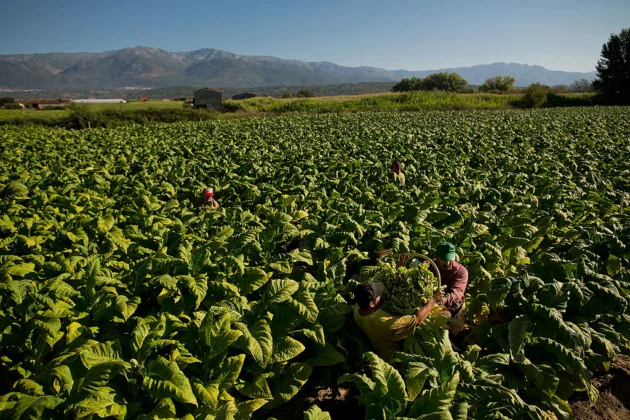
However, talks have stalled over how much Europe’s market should open to Australia’s sheep, beef, and sugar. The EU does not want Australian farmers to use geographical indications of well-known European products, including ‘prosecco’, ‘feta’ and ‘mozzarella’.
Australia accuses the EU of protectionism and says it took “a very strong stand” in response.
“Unfortunately, we just didn’t get the movement on the EU side that was required,” with EU negotiators refusing to make compromises, Australia’s agriculture minister Murray Watt told national broadcaster ABC on Monday.
“I think it will be quite some time before any Australian government or any EU leadership is able to negotiate a deal. And that’s a bit of a shame,” Watt added.
Watt does not expect further rounds of talks before the 2025 elections in Australia, while the EU itself faces elections in 2024.
Australia’s unhappiness was already visible in June, when it previously walked away from trade talks.
In recent weeks, Australian farmers lobbied politicians not to sign a trade deal.
The National Farmers Federation, Australia’s largest farm organisation, is happy with the decision to walk away, while applauding the trade minister for “standing firm” and “turning down an EU trade offer that would have disadvantaged Aussie farmers,” it says.
“It’s disappointing the Europeans weren’t willing to put something commercially meaningful on the table. This was always going to be a tough negotiation with no guarantee of an outcome,” says the farming body.
The offered deal “would have hardwired protectionism into our trading relationship with Europe for another generation,” and “locked our farmers in at a disadvantage to competitors in New Zealand, Canada and South America,” it adds.
The EU is Australia’s third-biggest trading partner after China and Japan.
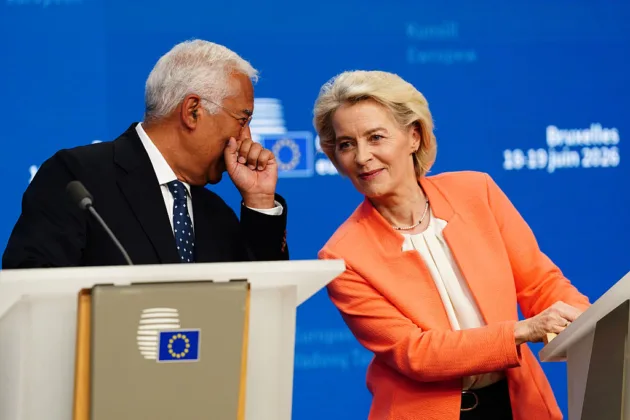
After an unsuccessful attempt to eliminate steel and aluminium tariffs imposed by former President Donald Trump’s administration, European Commission president Ursula von der Leyen is eager to score a trade win.
The EU is also having difficulty reaching an agreement with the Mercosur bloc, which includes Brazil, Argentina, Paraguay, and Uruguay.
In her State of the Union address last month, von der Leyen pledged to “continue to drive open and fair trade” and hoped to clinch an FTA with Australia “by the end of this year.”
The United Kingdom, able since Brexit to conduct its own trade talks, was able to sign a free trade agreement with Australia in 2021.