





The Eurozone is officially in recession, according to data released by Eurostat on June 8, after the 20-nation bloc suffered two consecutive quarters of economic contraction.
The region saw GDP slip by 0.1 per cent in the last three months of 2022, before declining a further 0.1 per cent this spring.
A series of severe shocks to the European Union’s economy are cited as primary reasons for the slump. The eruption of the Covid pandemic and resulting lockdowns, plus soaring energy prices following Russia’s invasion of Ukraine, have led to an inflation crisis that has sent the cost of living rocketing across the bloc.
As noted by Eurostat, a major driver of the downturn has been a fall in household expenditure, as many tighten their belts to deal with the rising cost of power, food and other essentials. Household spending fell by 0.3 per cent across the Eurozone as a whole, in both EU Member States and non-EU countries.
A significant adverse effect on Eurozone economic performance has been Germany’s struggle, the largest economy in the EU. It was officially declared that Germany had entered recession last month, leading to worries across the bloc of negative knock-on effects.
The slump in the Eurozone came as something of a surprise given that the EU had estimated there would be a modicum of economic revival over the first quarter of 2023.
The latest figures also varied by Member State, with some seeing GDP growth while others recorded declines. However, most saw neither a rise nor a fall. The best performance was in Poland, where the economy grew by 3.8 per cent. Ireland came last, with its GDP decreasing by 4.6 per cent.
Figures were moderately better across the EU for employment, which rose by 0.5 per cent.
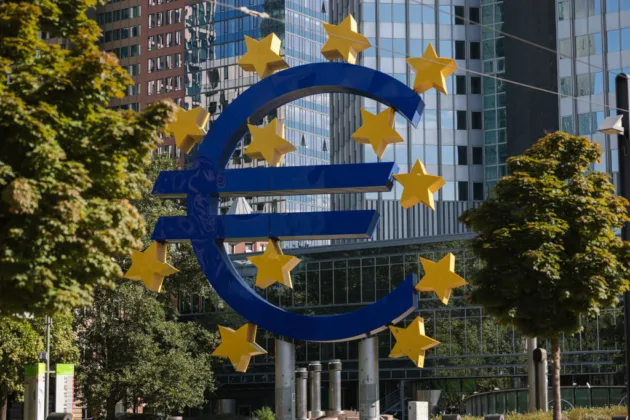
The latest economic figures will doubtless be taken into consideration by the European Central Bank, which controls interest rates regarding the Euro, at its next meeting on the subject in July.
Christine Lagarde, President of the ECB, spoke to the EU parliament on June 5, outlining that the bank’s primary concern remained inflation and that the ECB would be attempting to lower that by raising interest rates.