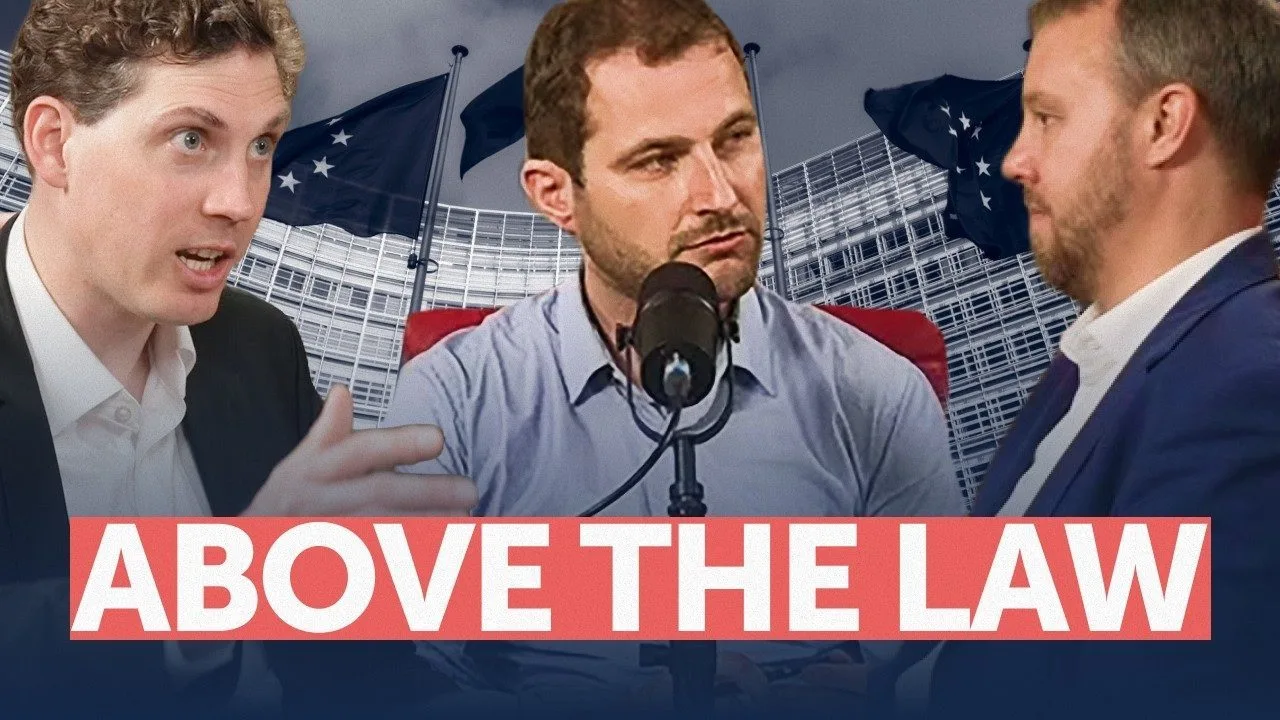



Cross-party members of the European Parliament and free speech advocates gathered in the European Parliament May 21 to urge the European Commission to review the Digital Services Act (DSA), invoking the regulation’s own Article 91.
The event centred on growing concerns the DSA, meant to ensure “a safer online environment”, actually is undermining freedom of expression across the European Union.
The event brought together legal experts from Alliance Defending Freedom International (ADF International), MEPs and free speech advocates.
This is in addition to concern expressed by the US Department of State over censorship implications of DSA.
The European Commission describes the DSA as a legal framework to “create a safer digital space,” where illegal content, online disinformation or other societal risks are not permitted.
Article 11 of the DSA reinforces illegal online content includes hate speech, terrorist material, and discriminatory messages and that “illegal online content” should be treated similarly to “illegal offline content”.
Critics argued this approach, however, opens the door to vague interpretations and overreach.
Two MEPs at the conference claimed the DSA has evolved into a tool that restricts freedom of speech, clashing with the fundamental rights of EU citizens.
Stephen Barticula, a Croatian MEP and member of the ECR, emphasised the subjective nature of “hate speech”.
“Hate speech is impossible to define. It is impossible to claim that you can read someone’s heart via their message online,” he said.
French MEP and member of Patriots for Europe Virginie Joron went further, describing the DSA as a “surveillance tool”.
She specifically criticised Article 34, granting national authorities power to request removal of illegal content and also to access user information across borders.
While Article 34 requires authorities to explain why the content is deemed illegal, exceptions exist during criminal investigations, where transparency may be limited by national law to avoid compromising inquiries.
Another point of contention involves “trusted flaggers”, entities appointed by Digital Services Coordinators in each member state.
These flaggers are empowered to detect and report potentially illegal content.
ADF International’s director Paul Colema, warned that the DSA may establish a “lowest common denominator” for free speech, where the most restrictive national laws could effectively shape EU-wide content moderation.
He also warned the DSA could lead to abuse, arguing since platforms’ failure to comply with removal requests could result in hefty fines, there are concerns that companies will move on the side of censorship to avoid penalties.
Controversial rap artist Ye’s latest track, Heil Hitler, was promptly banned from Spotify, Apple Music, and YouTube upon its May 8 release, but in just 24 hours, it had racked up millions of views on X. https://t.co/xW3mZeN3s7
— Brussels Signal (@brusselssignal) May 16, 2025
The event also highlighted growing international concern over the DSA’s implications.
Earlier this month, the US Department of State’s Bureau of Democracy, Human Rights, and Labour expressed concern over the censorship impacts of the DSA.
In a statement posted to X (formerly Twitter) on May 1, that bureau wrote said “The Department of State is deeply concerned about efforts by governments to coerce American tech companies into targeting individuals for censorship. Freedom of expression must be protected – online and offline”.
“Examples of this conduct are troublingly numerous. EU Commissioner Thierry Breton threatened X for hosting a political speech,” it said. It continued, “Türkiye fined Meta for refusing to restrict content about protests”.
The EU has given €650 million to projects combating so-called ‘hate speech’ and ‘disinformation’, one third more than it has given to transnational cancer research projects, a report said. https://t.co/CWZPaUFG3J
— Brussels Signal (@brusselssignal) May 21, 2025