





Belgium’s grid operator Elia has warned that the country could face blackouts – due to an excess supply of solar energy.
For the second year in a row, Belgium’s power grid may face pressure during the spring and summer months because of an overabundance of electricity on sunny days when demand is low.
In its April 4 summer outlook, Elia warned of increased risks to grid stability caused by renewable energy overproduction. The operator said it was considering forcibly disconnecting solar parks and wind farms that congested the network.
The root of the issue lay in the explosive growth of solar power, it was stated. Belgium now has approximately 11.4GW of solar panels installed — 4GW more than two years ago.
This capacity, largely decentralised across rooftops, could generate up to 9GW of electricity during peak sunshine.
Without a matching increase in flexible consumption or storage capacity, this created a serious imbalance between supply and demand.
On days with clear skies and low electricity usage — especially weekends and holidays — the country risked generating far more electricity than it can use or export.
This situation, referred to as “incompressibility”, could lead to negative electricity prices and, in extreme cases, frequency instability, not just in Belgium but across interconnected European grids.
Exporting excess renewable energy has proved challenging because neighbouring regions typically experienced similar weather conditions simultaneously.
Despite those risks, the system continued to rely heavily on market participants to address these imbalances.
While Elia provided forecasts and updates, there was no guarantee that market actors could respond adequately or quickly enough.
When the market failed to restore balance, Elia may be forced to step in, activating so-called flexibility products or even curtailing output from large-scale solar and onshore wind farms.
This included installations connected to distribution networks, although not residential solar panels – for now, it said.
The oversupply has been driving power prices further into negative territory on the wholesale market, forcing producers to pay just to offload their excess electricity.
It was expected that private citizens would soon also be charged for the surplus solar energy they feed into the grid.
Despite repeated warnings, little structural progress seemed to have been made to generate more flexibility in the electricity market.
Consumers were still not widely incentivised to shift their energy use to align with periods of high renewable generation and flexible contracts or smart consumption tools remained the exception rather than the rule, Elia said.
It pointed to promising developments, though, such as new supplier products that used decentralised flexibility. It also spotlighted Denmark’s experimental “supply split” model, where each device could choose its own electricity provider.
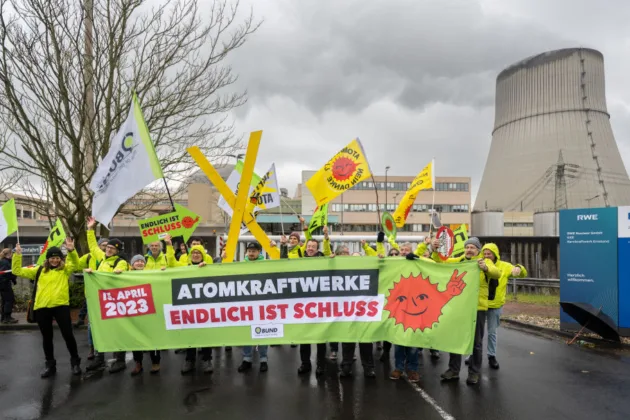
In February, Belgium permanently closed its Doel 1 nuclear reactor as part of previously established environmental policies, reducing the country’s stable base-load electricity — the steady level of demand that a grid must meet continuously.
The new Belgian Government, though, has reversed the nuclear phase-out policy, choosing to maintain the remaining nuclear plants and even planning new ones.
Unlike renewable sources, nuclear plants operated at near-full capacity consistently, generating steady power regardless of weather or time of day.
The Dutch will have to invest nearly €200 billion over the next few years to keep the power grid running in line with the “green” transition, according to operators. https://t.co/8DEBH825Jm
— Brussels Signal (@brusselssignal) March 3, 2025