


Nine in ten Europeans no longer believe Ukraine can beat Russia in the current war, finds a report published February 21.
According to research by the European Council on Foreign Relations (ECFR), public sentiment in Europe on the Ukraine war has soured.
While most citizens do not want to allow Russia to win in the conflict, they see little chance of Kyiv being able to win, either.
After surveying over 17,000 people across 12 different EU countries, the think-tank found only ten per cent of them now believe that Ukraine “winning the war” is the most likely outcome to the current conflict.
By contrast, 20 per cent view a Russian victory as the most likely outcome.
A further 37 per cent believe the war will probably conclude in some type of negotiated outcome.
Even in countries where support for Ukraine is highest, people now seem pessimistic about the conflict.
Only 17 per cent of people in Poland, the country most optimistic about Ukraine’s chances in the conflict, believe Kyiv is likely to win.
This is not much more than the 14 per cent of Poles who believe the Kremlin is more likely to emerge victorious.
More Europeans also favour their leaders pushing Kyiv to accept a peace deal with Russia, compared with fighting to regain all of its captured national territory.
In the survey, 41 per cent say EU leaders should persuade Ukraine to look for a negotiated peace, compared with 31 per cent who say European countries should help Ukraine fight to regain all of its lost territories.
Ukraine is on the back foot and Germany is spiralling towards a political and economic crisis. Anyone saying this gets shouted down because it goes against what people want to happen, Doomberg experts tell Brussels Signal.
Watch the full podcast at https://t.co/j9wdtiWpBN pic.twitter.com/dOXkOmsbPX
— Brussels Signal (@brusselssignal) February 19, 2024
Despite such polling, the ECFR argues EU leaders should continue in their support for Ukraine.
“Politicians will not (and should not) design their policies around opinion polls,” says the think-tank’s report.
“Many European leaders realise that Ukrainians will struggle to achieve any meaningful settlement from a position of military weakness,” it says.
“And Europeans will only have the moral right to advise Ukraine on its war aims if they have delivered the money and weapons they promised,” the ECFR argues.
The think tank says EU officials should seed the idea of a “durable peace” in the minds of the public, arguing only an end to fighting based on Ukrainian military strength could be considered permanent.
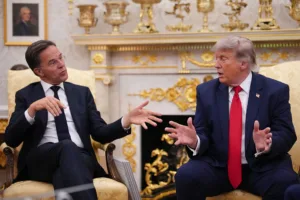
By contrast, attempts by both Vladimir Putin and Donald Trump to portray themselves as being the ones to favour a peaceful solution must be quashed, it says.
“Russian victory is not peace. And if the price of ending the war is turning Ukraine into a no man’s land, it will be a defeat not only for Kyiv but for Europe as a whole,” ECFR argues.
“In the event of negotiations, it is essential for both Ukrainian and Western publics to know what is on the table and what is not. What is not negotiable is Ukraine’s democratic and pro-Western future,” says the think tank.
A majority of Germans are against Ukraine joining the European Union, a new survey has found. https://t.co/iB4x8Sf6NN
— Brussels Signal (@brusselssignal) February 15, 2024